


Three days is the right length for Barú, and the most common mistake is treating it like three days in Cartagena with a beach attached. It isn't. Getting here is a boat ride, the island is long and mostly quiet, and the things worth doing are spread across water, mangrove and reef rather than along a street. Here's how we'd order them.
Day one: cross late morning, and plan nothing after it
Give the whole first day to the crossing and the water, because the crossing is not a transfer so much as the start of the trip. Our boat takes 30 minutes to an hour from Cartagena, depending on the sea, and from the airport door to door is about an hour. Reserve a place on it. The boat has limited capacity, and if you arrive unreserved and there's no space, the wait for the next crossing is a long one.
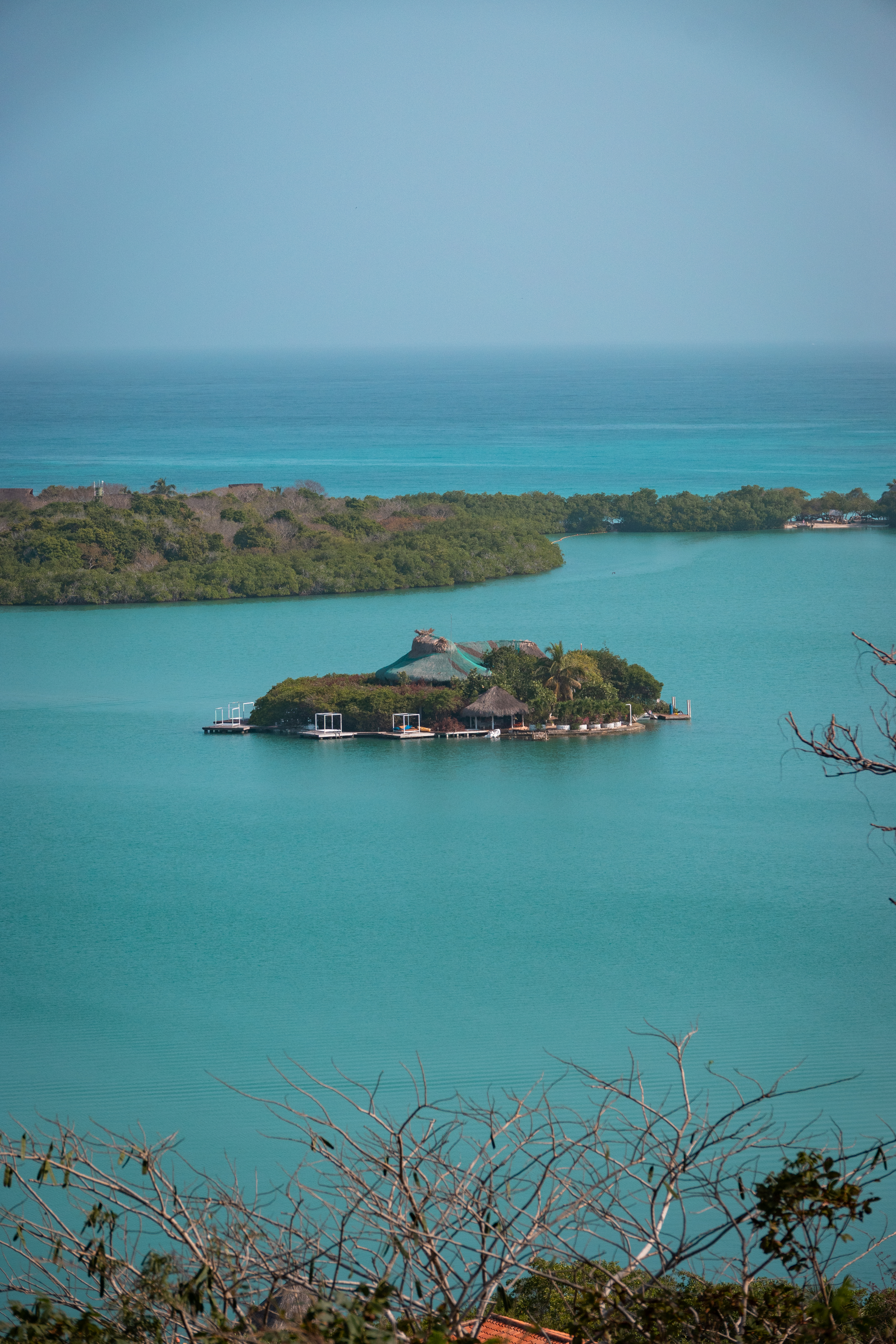
We sit on Bahía de Cholón, on the inner, sheltered side of Barú rather than the open Caribbean side. That shapes the day more than you'd expect: the water in front of us is calm and green rather than surf, and we have no dock, so arrivals come in off the shore. Once you're here, the useful thing to do with a first afternoon is swim, eat, and let the island slow you down. Our kitchen was built by Chef Silvestre Saiz Cortazar, born and trained in Ibiza and raised in the kitchens of Bogotá, and Pedro Mosqueda has taken over as Executive Chef. If you're vegetarian, vegan, lactose intolerant or gluten intolerant, tell us when you reserve rather than when you sit down. A good number of us have eaten that way at some point and the kitchen is set up for it.
One honest note about Cholón. At weekends the bay draws day boats out of Cartagena and the party-boat operators who sell the trip, and the water gets loud in the middle of the day. Midweek it's a different bay entirely. If quiet is the point of your three days, aim them Monday to Thursday.
Day two: the mangroves at first light, then the aviary
Start day two before breakfast, in the mangroves, because that's the only hour when the water is glass and the birds are moving. The Barú mangroves are the reason a lot of people stay on this side of the island rather than the beach side: narrow channels, roots, and herons that lift off ahead of the kayak. Go at dawn and you'll have them alone. Go at eleven and you'll have heat, and much less to look at. We've written about what the paddle is actually like in more detail if you want the longer version.
Inland, the National Aviary of Colombia is the one built attraction on Barú that's worth the trip. It's a walk-through aviary rather than a zoo visit, and the published adult ticket has recently run around 80,000 Colombian pesos, with children aged 2 to 12 and students around 58,000. Check the current price before you set out, since it moves. Two hours is enough; people who budget a full day end up sitting in the shade waiting for each other.
If you want to see how people actually live on the island rather than how they host on it, the local village is reachable and worth the afternoon. Be clear about what it is first. It's a village with no running water and no paved roads, and there are no chic restaurants or bars in it. What there is instead is a great deal of soul. Go with that expectation and you'll remember it longer than the aviary.
Day three: the reef, and Playa Blanca only if you go early
Spend the third day on the water, in Corales del Rosario National Park, because that is where the coral actually is. The park sits offshore from Barú across the Rosario archipelago, and it's a protected area rather than a beach club strip, which is the whole reason the fish are still there. It's also the honest answer to the question people ask on arrival, which is why the water directly off a mangrove shore isn't clear: mangrove water is nutrient-rich and green by nature, and the blue you came for is a boat ride out.
Playa Blanca is the island's famous white sand beach and it belongs in a three-day plan only at the right hour. Reviews from visitors are consistent and unflattering about the middle of the day: it gets extremely crowded, and the vendors selling jet skis, massages and banana boat rides are persistent. Arrive around half past eight and the same beach is close to empty, which is a genuinely different experience. By noon we'd rather be back on the bay.
What we'd cut
If you only have two full days rather than three, cut Playa Blanca, not the mangroves. The beach is the thing everyone photographs and the mangroves are the thing nobody expects, and of the two, only one of them is quiet at the hour you'd want to see it. If you have four days, add a second reef morning rather than a second inland trip.
Where we fit in the plan
We're six rooms across three houses on Bahía de Cholón, so the whole place is small enough that three days here doesn't involve queuing for anything. Families and groups often take the houses separately: Villa Orquídea is its own villa, Casita Veranera is a separate one, and Casita Laguna sits apart again, which is how a group splits without anyone sharing a landing. The Full House takes all six bedrooms at once.
One piece of arithmetic for the last morning. Leave us three hours before your flight departs. The crossing plus the drive is about an hour door to door, and the margin is for the sea, not for traffic.