

The short answer
Pack for one climate, because Cartagena only has one. The average high sits between 31°C and 32.2°C in every single month of the year, the average low never drops below 24°C, and humidity runs around 78 to 80 percent. There is no cool month to plan a jacket around.
What actually changes across the year is rain. December to April is the dry season, and February is close to rainless. May to November is the wet season, and October is the heaviest month with 230mm of rain across roughly 16 rainy days.
Clothes
Loose and light, and more of it than you think. The heat here is not the dry kind you can out-stubborn, so the useful fabrics are cotton and linen, and the useful cuts are the ones that don't hold against your skin. Humidity near 80 percent also means things dry slowly, which is the real argument for packing an extra shirt rather than planning to rinse one out.
Two pairs of shoes is the honest minimum. Something flat and closed for walking the old city's cobbles, and something you can get wet. Heels and cobblestones are an old and unequal fight.
Bring one long-sleeved shirt. Not for warmth, but for sun on a boat and for the evenings, when it is the lightest thing that covers your arms.
Sun, and why the numbers matter
Take the sun here seriously. Cartagena is at 10 degrees north, which means the sun is close to overhead, and the city averages nine hours of sunshine a day in January. The sea temperature runs 27°C to 29°C year round, so you will be in and out of the water constantly and reapplying constantly.
A hat with a brim, sunglasses, and high-factor reef-conscious sunscreen. We would put a rash vest on the list for anyone spending a full day on the water, particularly children, because it removes the reapplication problem entirely.
Rain, by month
If you're travelling May to November, bring rain gear. Not a full coat, which is unwearable at 31°C, but a light packable shell or a small umbrella. Tropical rain on this coast tends to arrive, empty itself and leave, so the goal is to sit out twenty minutes, not to stay dry all afternoon.
Here is the pattern in plain numbers:
| Period | Rain | What to pack |
|---|---|---|
| December to April | 1mm to 35mm a month, 0 to 3 rainy days | Nothing for rain. This is the dry season. |
| May to July | 100mm to 115mm a month, 10 to 12 rainy days | A packable shell, quick-dry clothing |
| August to November | 125mm to 230mm a month, 11 to 16 rainy days | Shell, umbrella, a second pair of shoes |
October is the month to plan around. It is both the wettest and the least sunny, averaging 5.5 hours of sunshine a day against January's nine.
Insect repellent
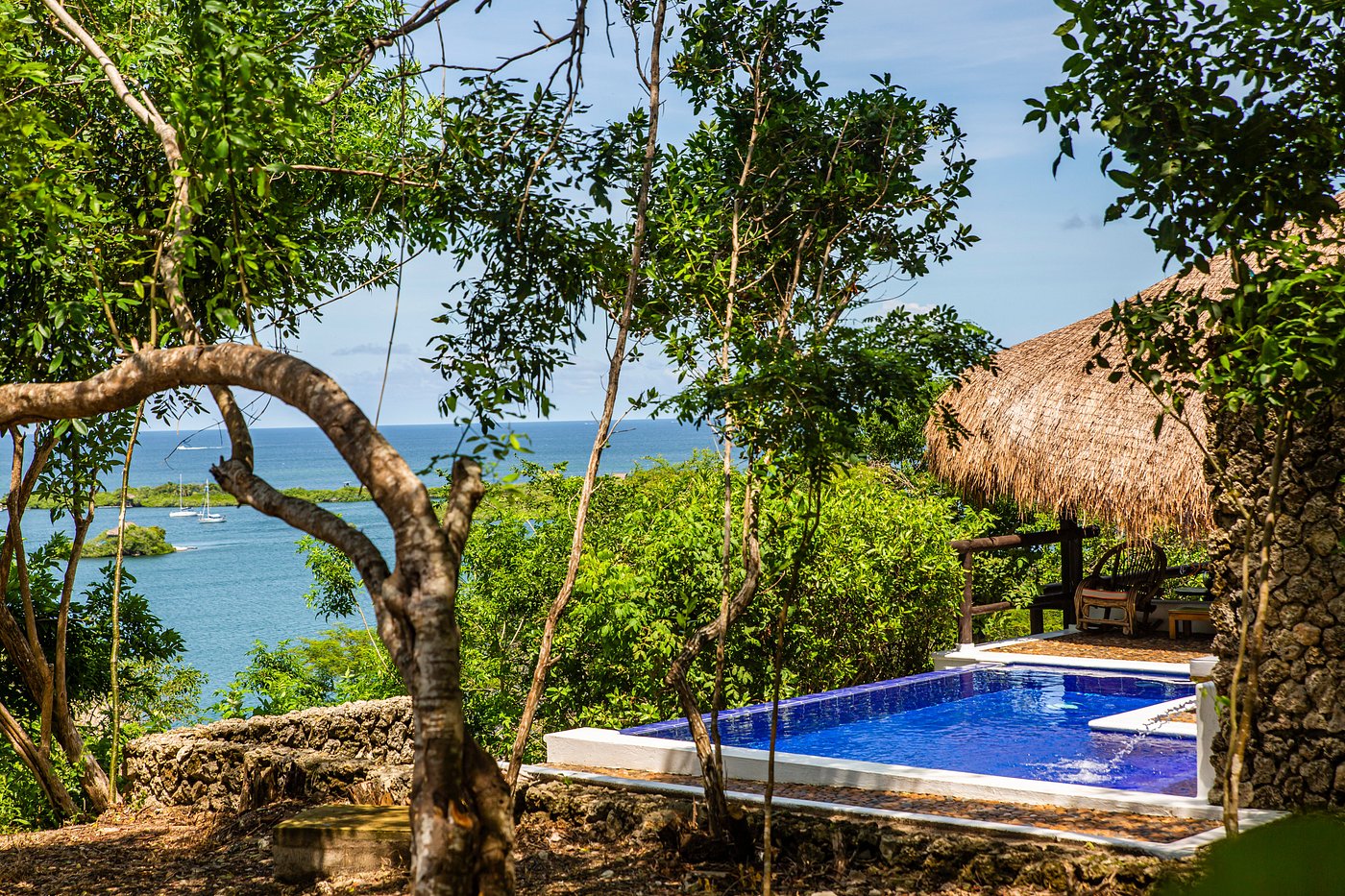
Bring it, and bring it from home. It is the single item guests most often wish they had packed on a tropical coast, it weighs nothing, and it is far easier to pick up in your own pharmacy than to hunt down on arrival. We are on Bahía de Cholón, inside the mangroves of Barú, and a dawn kayak through mangrove channels is not the moment to discover you have none.
What changes if you're coming out to us
The crossing from Cartagena to us takes 30 minutes to an hour on our boat, on open water. That adds four things to the list.
A dry bag, or at minimum a sealed pouch for a phone and a passport. Spray is normal on a boat and a zipped tote is not a defence.
A second swimsuit, for the simple reason that the first one will still be wet. Our rooms across Villa Orquídea, Casita Veranera and Casita Laguna have pool access, so swimwear is closer to daywear here than holiday wear.
Something for wind. Thirty to sixty minutes of moving air is pleasant on the way out and cool on the way back after dark.
A soft bag rather than a hard case, if you have the choice. Boats and rigid suitcases have never got along.
What to leave at home
Leave the heavy walking boots, the cold-weather layer you packed out of habit, and the hairdryer-grade electrical items you can live three days without. Leave the idea of a dressy evening wardrobe for every night, too. This is an island coast, and the register is lighter than first-time visitors expect.
We would also gently suggest leaving the plan to buy everything on arrival. Getting to us involves a boat with a schedule, and a chemist run is not a quick errand from Bahía de Cholón.